







Why the cycle looks the way it looks.
19 articles on steam sterilisation, independent of any model.
The autoclave
 Introduction to the CertoClav autoclave knowledge centerThe purpose of this guide is to provide autoclave users with information on autoclave operations and to ensure that the autoclave is used in a safe and…
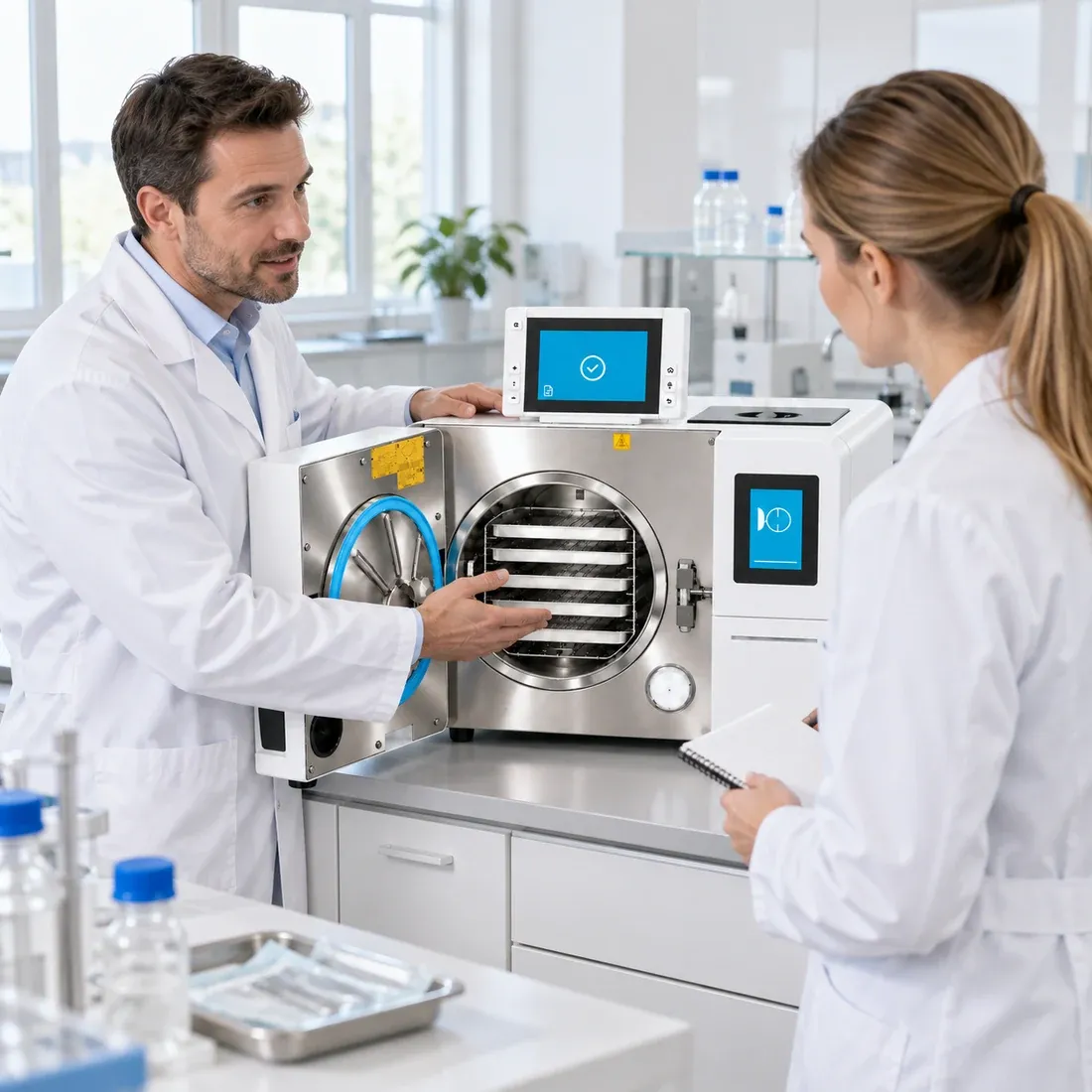
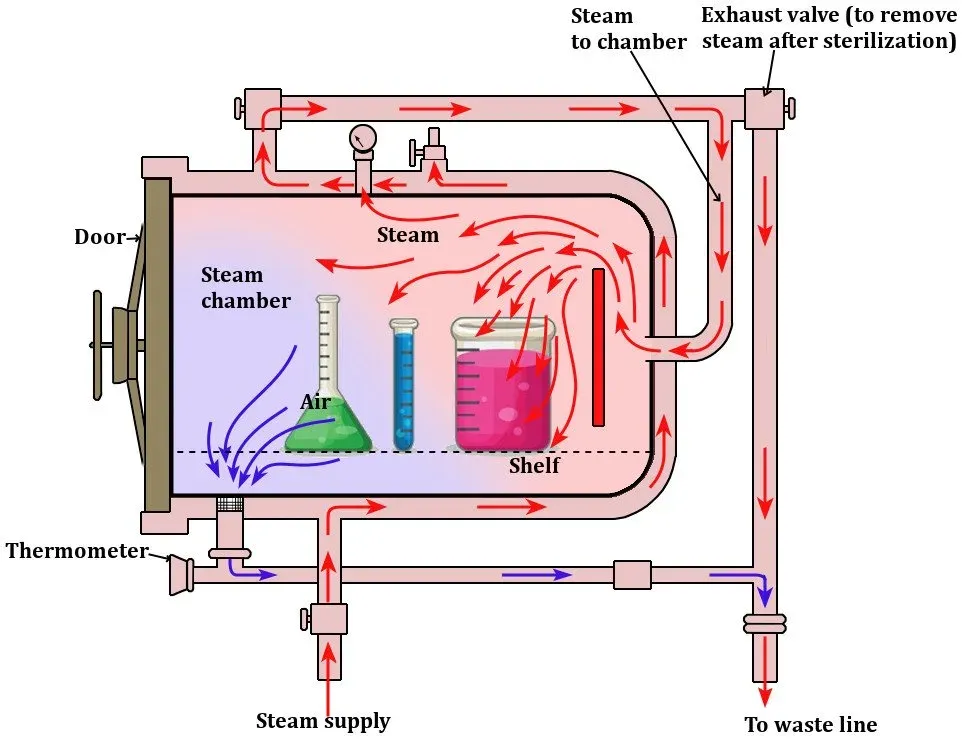 How does a Steam Autoclave work?Steam autoclaves are designed to use high pressure and high temperature steam to kill microorganisms. They are also used to render biohazardous materials…
 Safety Instructions for Autoclaving and Potential RisksSteam autoclaves use high pressure and heat for sterilization. There are therefore potential safety risks for the user. These include:
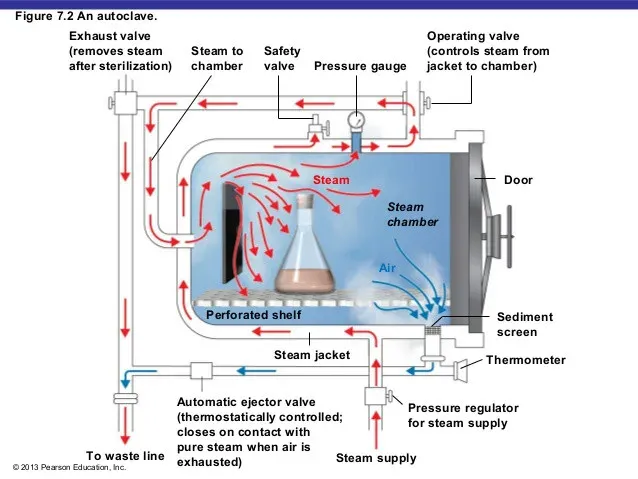 Autoclave Operation, Functioning and Cleaning
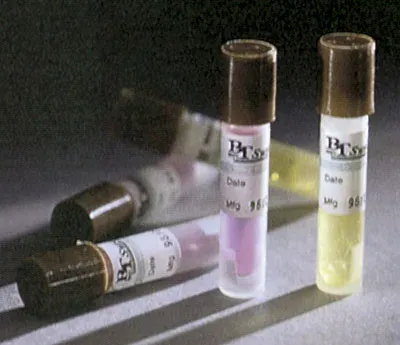 Common sterilization indicators for autoclavesAutoclave indicators are used to validate that the autoclave is working properly.
Theory of sterilisation
 Theory of SterilizationUniform sterilization ultimately depends on the contact of the sterilizing agent with all surfaces of an object. Which sterilisation medium you use…
- Definition of SterilizationSterilization is a broad term that refers to any process that removes or kills all forms of microorganisms. This includes bacteria, fungi, viruses and…
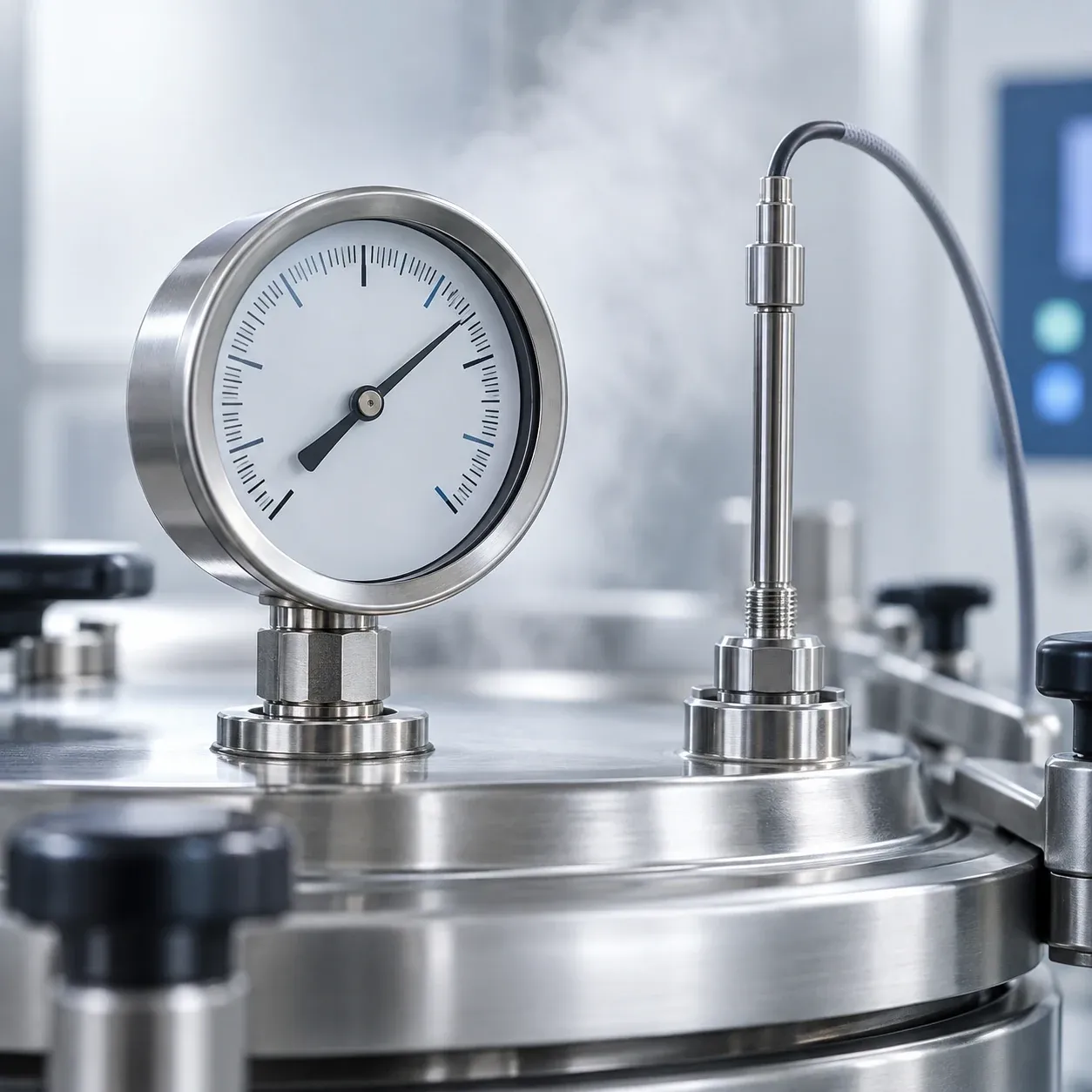 Sterilization temperature and pressure for sterilization with steamWater vapor is suitable for sterilization as dry heat. Autoclave heating is also known as steam sterilization and is the standard procedure in most…
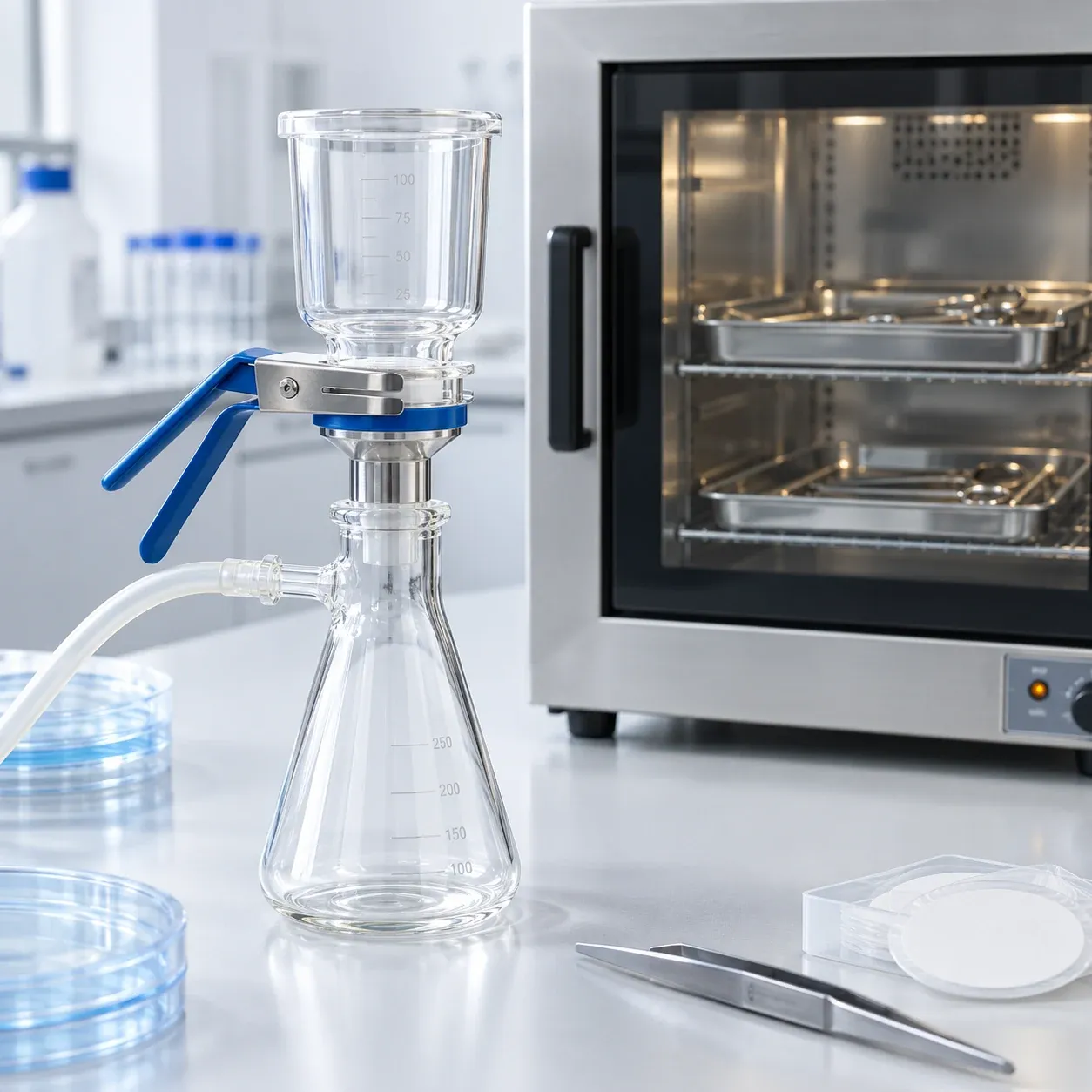 Other Methods of SterilizationKeep in mind that sterilization means any process by which microorganisms such as fungi, bacteria, viruses, and spores are killed. As such, there are many…
Microbiology
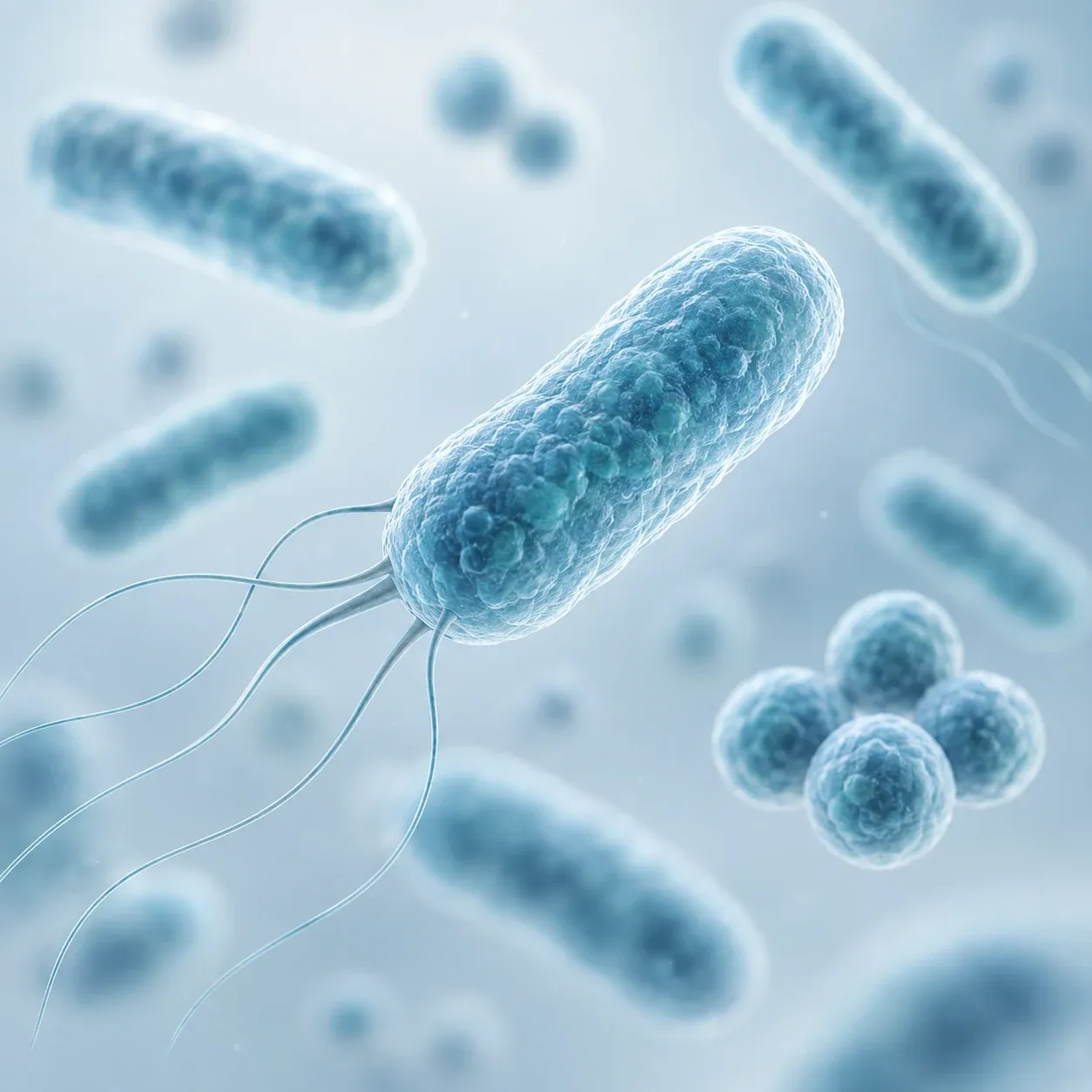 Basics on BacteriaMicroorganisms that are known to cause a disease are called pathogens. These organisms are bacteria, fungi, protozoa, and viruses. Carriers of diseases…
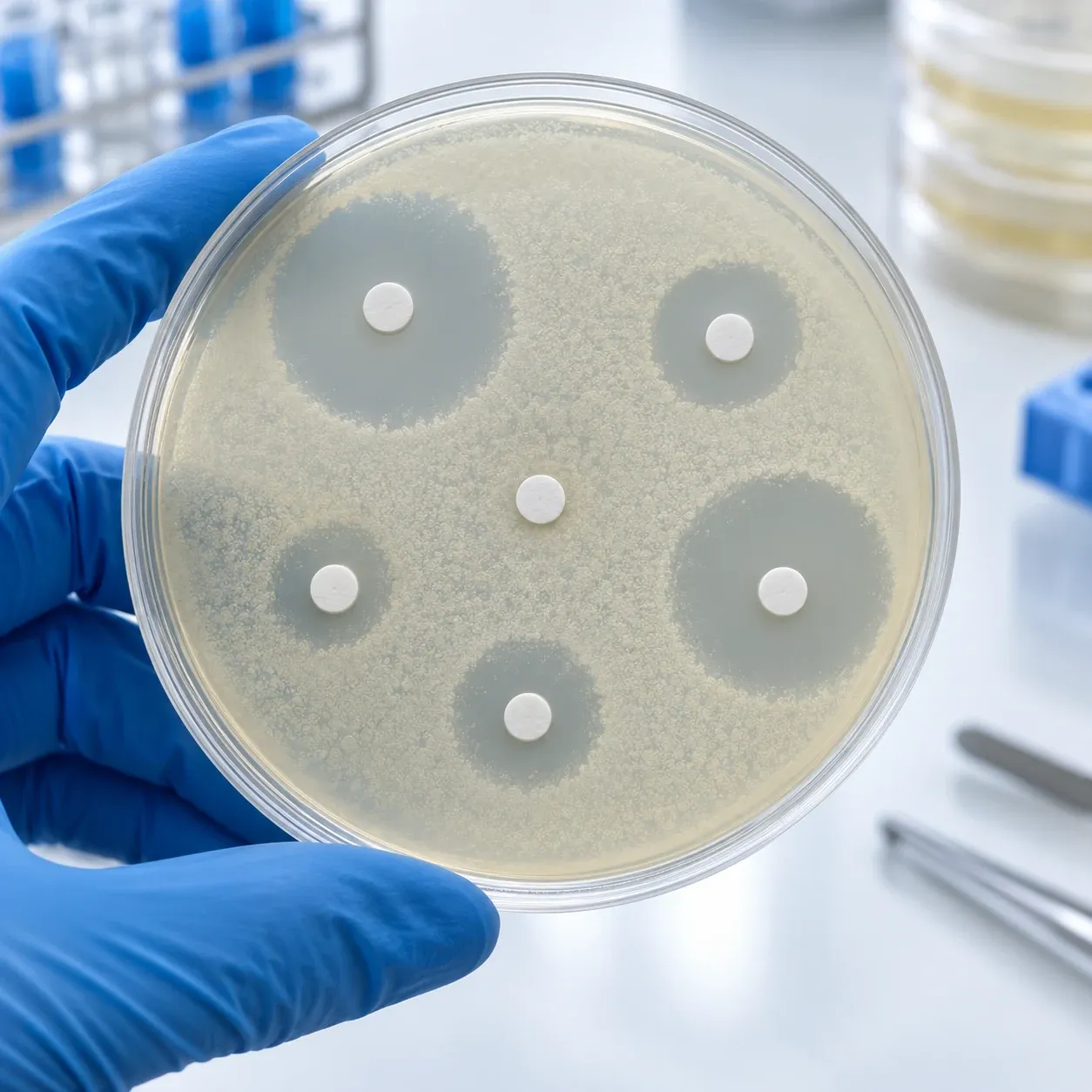 Bacterial ResistanceBacterial resistance refers to the ability of a bacterium to develop a tolerance for a particular antibiotic. The occurrence of resistance can occur…
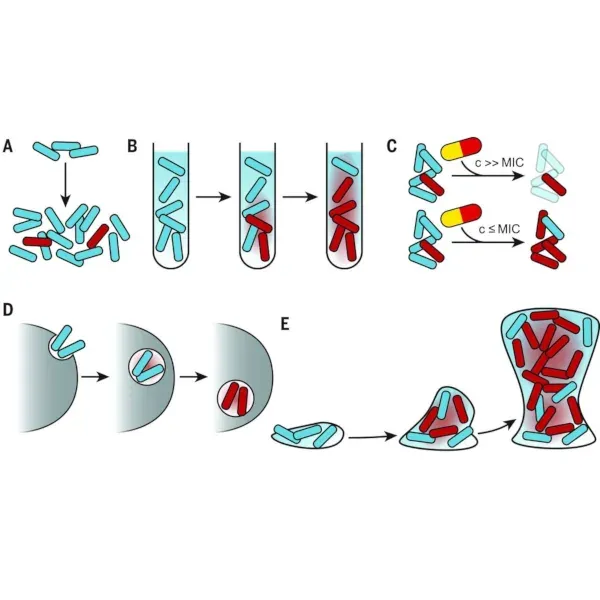 Bacterial Persistance. Growth, Persistence and ResistanceBacterial cells have the ability to regulate their growth cycles in response to changing environmental conditions. There are several mechanisms involved…
 Viable but not Culturable StateIt was once thought that a bacterial cell was dead if it couldn't be grown on culture media. The viable but not culturable (VBNC) state is a state where…
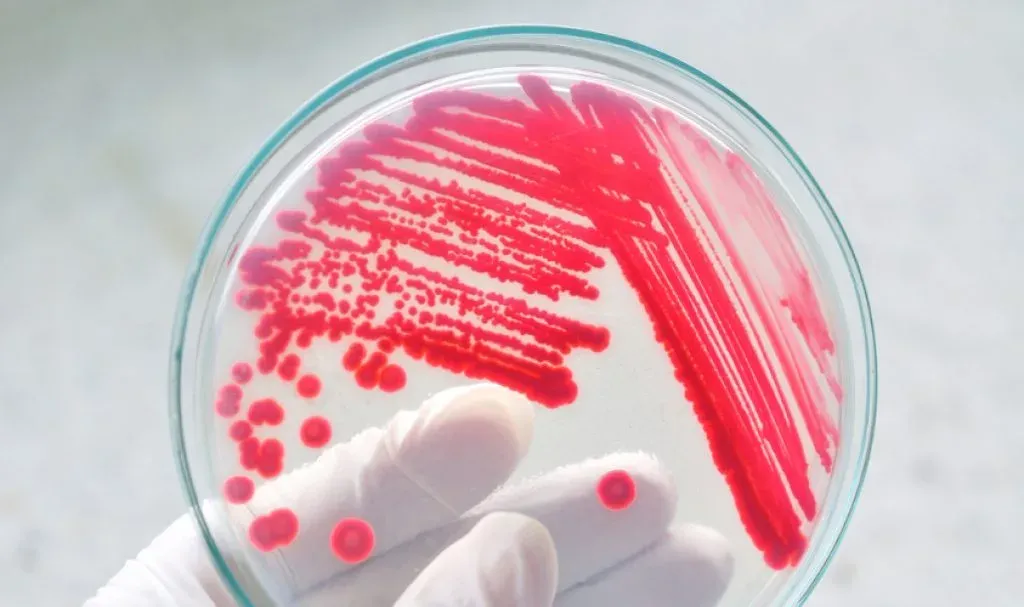 Contamination, Infection and FoulingContamination refers to the non-intended introduction of infectious microorganisms such as bacteria, yeast, fungi, and protozoans as well as viruses and…
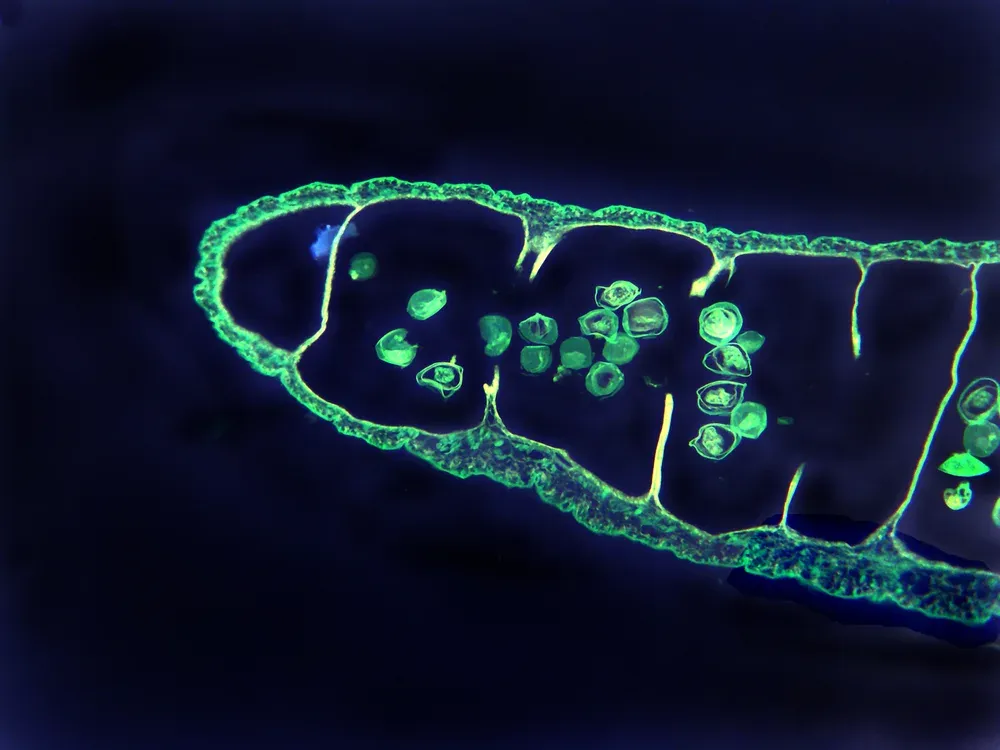 Sterilization of Spores and ToxinsUnfortunate for us but fortunate for certain bacteria, spores can be can be formed in adverse environmental conditions. This is often the case in dry…
 Pyrogens and Bacterial EndotoxinsA pyrogen is a molecule that is fever-producing. Some bacteria produce pyrogens that are known as endotoxins and exotoxins. Endotoxins are found in the…
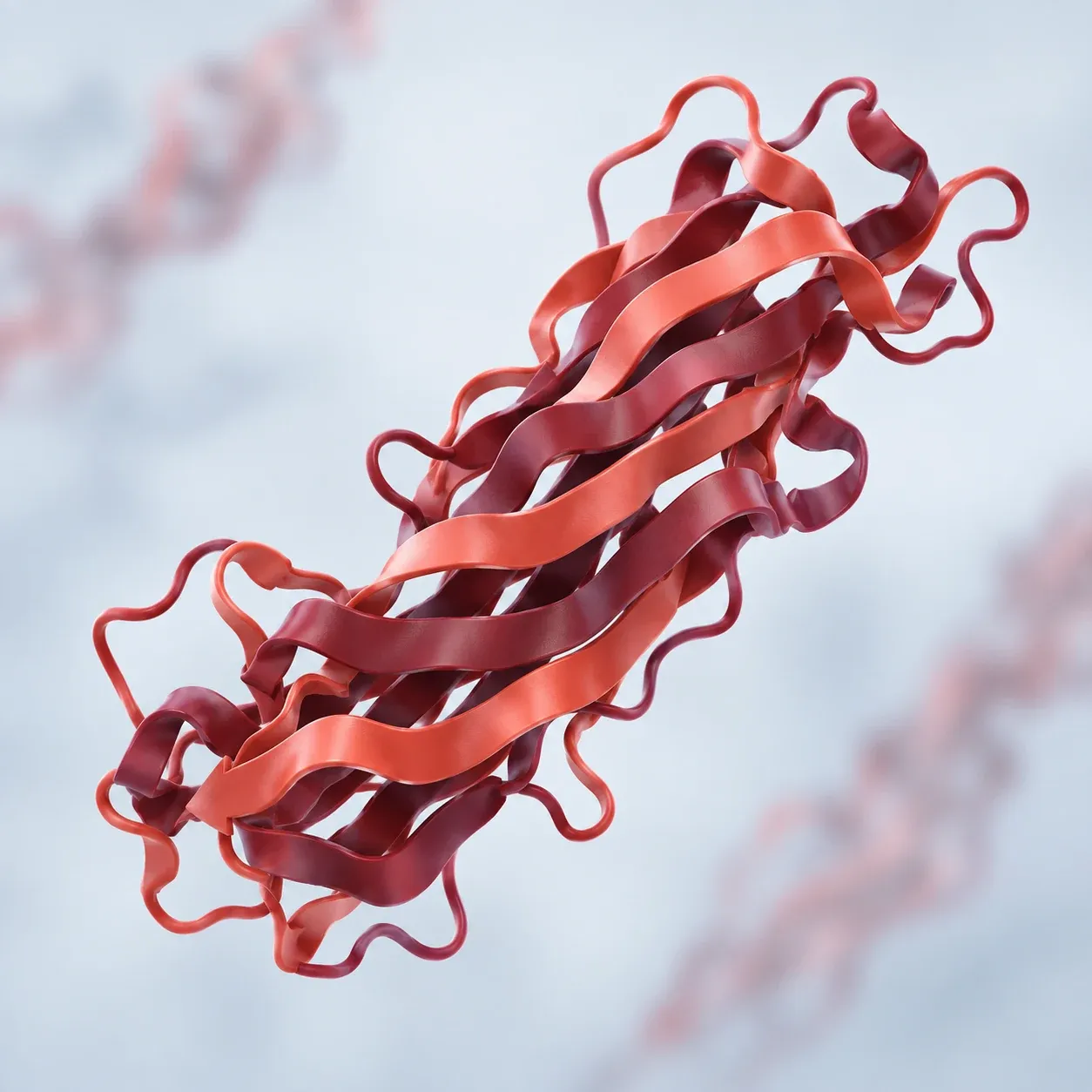 PrionsPrionsare believed to be the causative agents of transmissible spongiform encephalitis (TSE). TSEs are a group of neurodegenerative disorders that affect…
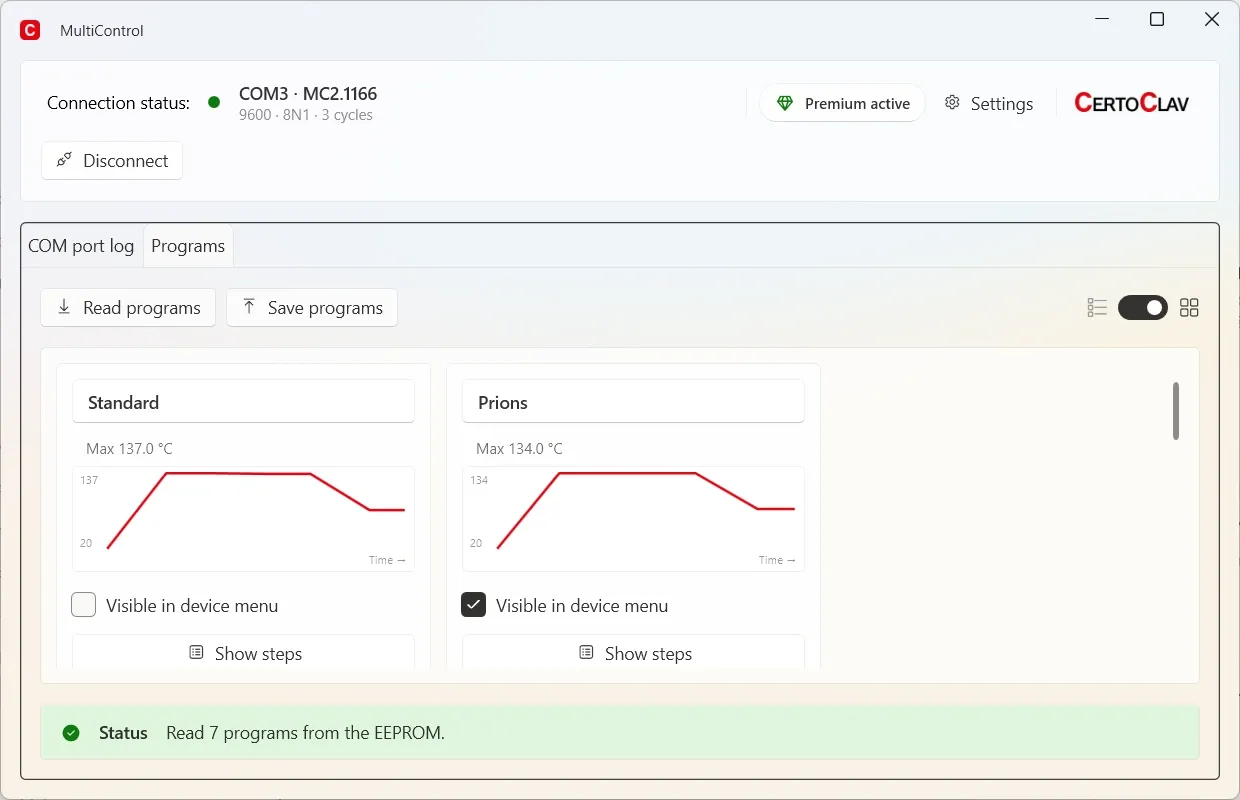
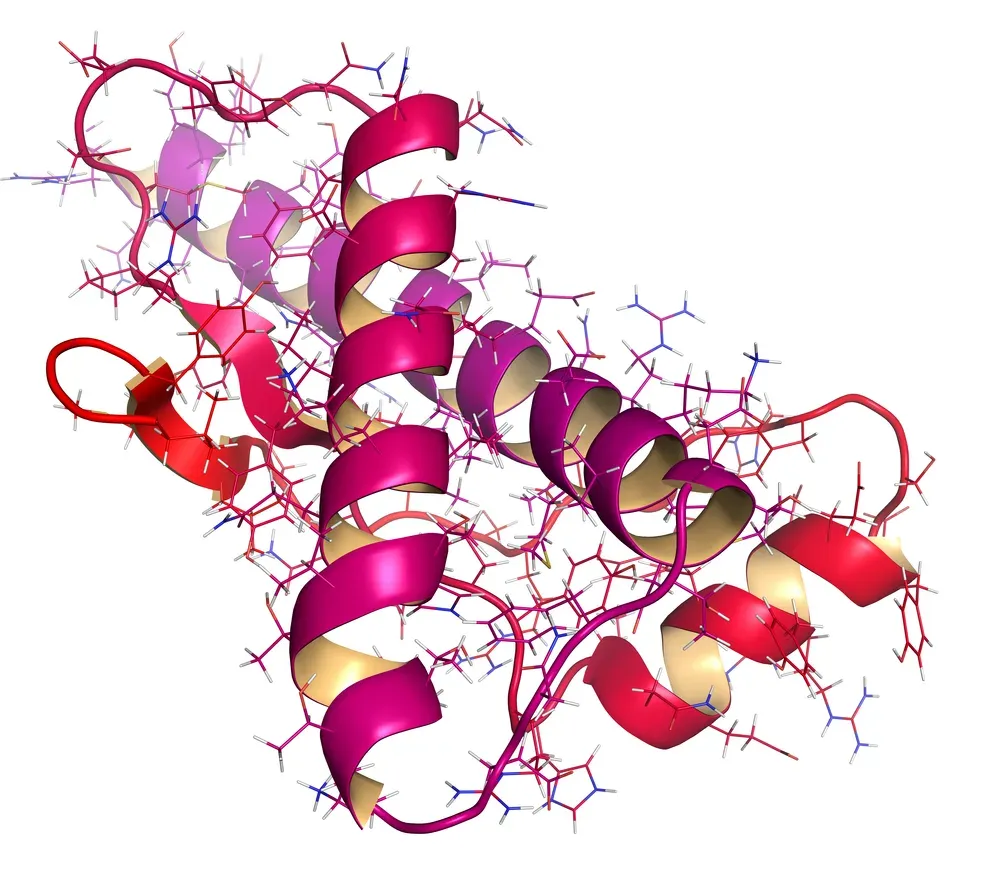 Autoclaving PrionsOne generally thinks of prions in the Scrapie form (PrPSc) as an infectious particle that is made up of protein that is abnormally folded. There are…
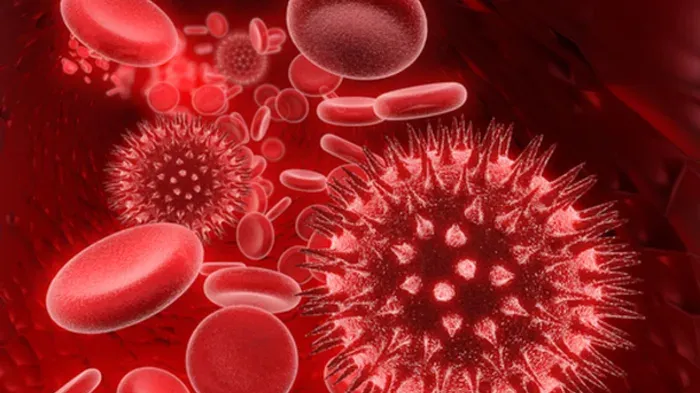 Viruses as ContaminantsViruses are small, infectious agents that can usually only be seen with an electron microscope. They are below the cellular level and therefore cannot…
This page in other languages: Deutsch · Español · Français · Italiano